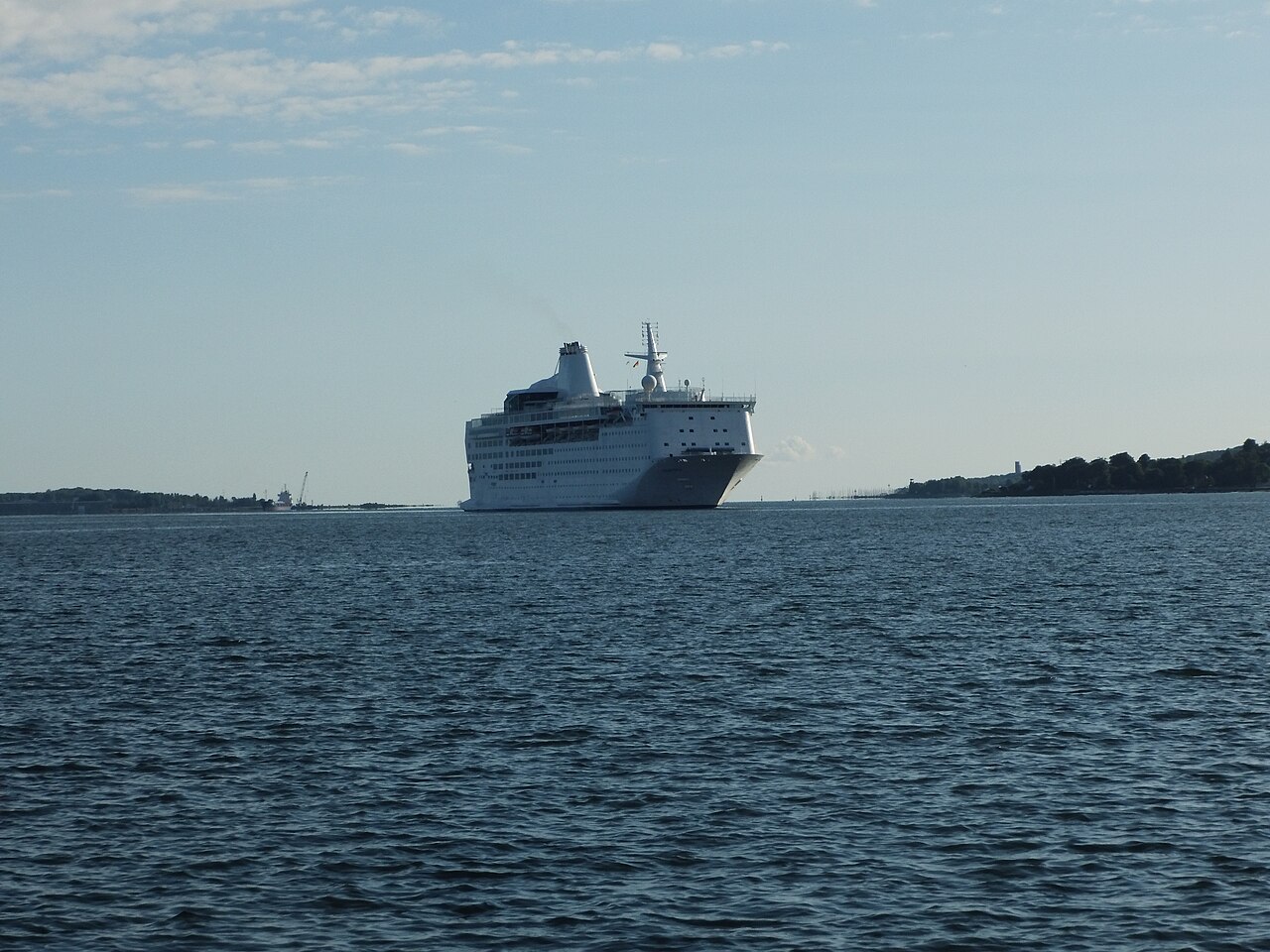
MB Energy has completed a small-scale truck-to-ship methanol bunkering trial with TUI Cruises' Mein Schiff 7, delivering the fuel at the Port of Kiel, according to Ship.Energy. The delivery took place at the port's Ostseekai Cruise Terminal, with the methanol supplied by truck rather than by bunker barge or pipeline.
How the delivery worked
Ship.Energy reports that the delivery was carried out by logistics company Johs. Martens, acting on behalf of MB Energy, using a truck fuelled on HVO 100. Approximately 25 cubic metres of methanol from renewable feedstocks was supplied to Mein Schiff 7 during the operation, according to MB Energy's statement issued on 1 September.
What the methanol will be used for
According to Ship.Energy, the methanol delivered in the trial is intended to be used primarily for boiler operations on board Mein Schiff 7, rather than for propulsion. Ship & Bunker's coverage confirms that the trial involved supplying the 25 cubic metres of methanol for this purpose, distinguishing the operation from a full propulsion-fuel bunkering call.
MB Energy's role
MB Energy is the supplier behind the trial, coordinating the methanol delivery and issuing the statement confirming its completion. By using a third-party logistics operator, Johs. Martens, running an HVO 100-fuelled truck for the final delivery leg, MB Energy paired a renewable marine fuel delivery with a lower-emission road transport method for getting the fuel to the quayside.
The Port of Kiel's Ostseekai Cruise Terminal
The trial took place at Kiel's Ostseekai Cruise Terminal, one of the German Baltic port's dedicated cruise berths. Kiel is a well-established cruise call on the Baltic circuit, and testing alternative-fuel bunkering operations at a working cruise terminal, rather than at a specialist bunkering facility, gives an indication of how such deliveries might be integrated into a cruise ship's normal turnaround schedule in port.
Cruise industry interest in methanol
Maritime Executive's coverage, titled "Cruise Ship Mein Schiff 7 Completes Methanol Bunkering Demonstration," situates the trial within the cruise sector's wider interest in alternative fuels as operators look for ways to cut emissions from ships that spend extended periods both underway and alongside in port, where auxiliary and boiler loads remain significant. Manifold Times reports that MB Energy and TUI Cruises have "wrapped up" the trial, indicating the operation was completed as planned rather than being an ongoing or extended programme.
A lower-emission delivery chain, not just a lower-emission fuel
Ship.Energy's detail that the delivery truck itself ran on HVO 100 points to an operation designed to cut emissions across the whole delivery chain, not only at the point where the methanol is burned on board. Pairing a renewable marine fuel with a lower-emission road transport method for the final delivery leg suggests MB Energy and its logistics partner Johs. Martens approached the trial as a test of an end-to-end lower-carbon supply chain, rather than treating the fuel and its transport to the quayside as separate concerns.
Why boiler operations first
Directing the trial methanol to boiler operations rather than propulsion also reflects a common, incremental approach to introducing a new fuel aboard an existing ship: boilers are typically simpler systems to adapt and monitor than main propulsion machinery, making them a lower-risk starting point for validating fuel handling, storage and combustion before any wider use of methanol elsewhere on board is considered. That sequencing also lets the port and its terminal operators gain experience with the bunkering procedure itself, from truck access to hose connection and safety zoning, before any larger-volume or propulsion-focused delivery is attempted at the same berth.
What it means for cruise bunkering
For the cruise sector, small-scale trials like this one provide practical, real-world experience with methanol delivery logistics, from truck-based transport to quayside transfer, ahead of any wider rollout of methanol bunkering infrastructure at cruise ports. Because the methanol in this case was directed to boiler operations rather than propulsion, the trial offers a lower-risk entry point for testing the fuel and its handling procedures without requiring the ship's main engines to be methanol-capable. If successful, truck-to-ship deliveries of this kind could become a template for other cruise ports without dedicated marine methanol bunkering infrastructure, allowing operators such as TUI Cruises to introduce renewable methanol into onboard operations incrementally, port by port, as supply chains and handling experience develop across the Baltic and beyond.