Strait of Hormuz blockage reshapes trade routes
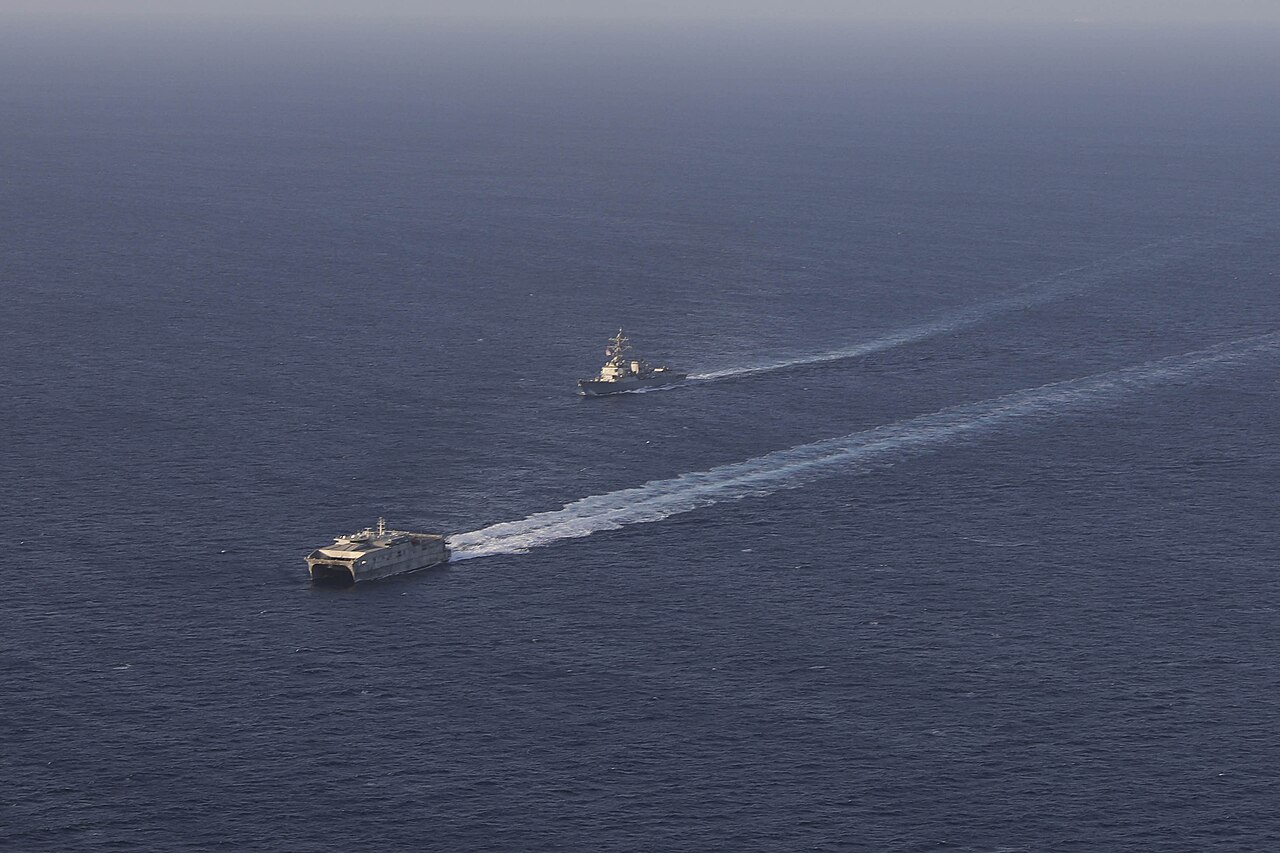
The protracted closure of the Strait of Hormuz – a chokepoint that historically carried roughly 20 percent of world oil supplies – has forced Gulf exporters to reroute cargo through alternative gateways. Maritime Professional highlights that for “much of the past six months” the strait was virtually blocked, prompting a rapid shift toward Saudi Red Sea ports and the United Arab Emirates’ eastern terminals, albeit with reduced handling capacity.
Billions flow into new pipeline schemes
A surge in capital commitments is evident across the region. Offshore Engineer reports that “a burst of billions of dollars of investment commitments” has materialised as Gulf energy firms seek to future‑proof their supply chains. The United Arab Emirates is progressing a new oil pipeline destined for Fujairah; MarineLink notes the project will double crude‑flow capacity to the emirate once completed, underpinning its emerging status as a strategic alternative to Hormuz.
Port expansion becomes a “mission‑critical” priority
Both industry insiders and sovereign wealth funds are placing ports at the centre of recovery strategies. gCaptain quotes a second source who says ports have become a “mission‑critical priority” for Gulf governments, especially Saudi Arabia, where sports once dominated public discourse but “ports, ports, ports” now dominate investment talks.
AD Ports, which operates facilities in the UAE and overseas, saw its container throughput – together with bulk and general cargo volumes – fall by around two‑thirds in Q2 versus a year earlier. The operator described this as “perhaps the most significant challenge in its 20‑year history” (Maritime Professional). In response, Abu Dhabi’s sovereign wealth fund L’IMAD announced plans to acquire the remaining shares of AD Ports, aiming to revamp its strategic direction.
Dubai‑based DP World, another global terminal operator, also reported a first‑half decline and is moving forward with two new container terminals in Fujairah. The development aligns with the UAE’s pipeline expansion, creating an integrated logistics corridor that could absorb displaced trade volumes (MarineLink).
Funding scale and timelines
The cumulative cost of these infrastructure programmes is projected to “exceed hundreds of billions of dollars” over the coming years, according to a source cited by Offshore Engineer. Gulf sovereign wealth funds – among the world’s largest – are already stepping in to accelerate financing, while governments remain open to external investors seeking long‑term stakes in ports and pipelines.
What this means for operators
Ship owners and charterers must anticipate a reshaped trade landscape that favours Red Sea and Gulf east‑coast hubs. Reduced capacity at traditional Hormuz‑linked routes may increase turnaround times and berth competition at Saudi and UAE ports, prompting operators to secure slot allocations well in advance. The forthcoming Fujairah pipeline and new container terminals offer alternative discharge points for crude and dry bulk, but will require alignment with updated draft restrictions and cargo handling procedures. Moreover, the influx of sovereign‑backed funding suggests a period of rapid infrastructure rollout; operators should monitor construction milestones closely to capitalize on emerging logistics corridors while mitigating disruption risks associated with large‑scale project execution.