Background to the renewed dialogue
The latest round of discussions between Iran and Oman took place against a backdrop of intensified U.S. economic pressure, TradeWinds reported. After a period of diplomatic quiet, both governments reconvened on Tuesday, signalling a mutual interest in stabilising one of the world’s most vital oil export corridors.
Proposed framework for a temporary joint corridor
Ship & Bunker noted that the two sides are drafting a framework aimed at collaborative management of vessel traffic through the strait. Marine Insight added that the plan envisions a temporary joint navigation corridor, complemented by a coordinated project to clear any mines from the waterway.
Hellenic Shipping News quoted Omani Foreign Minister Sayyid Badr bin Hamad Albusaidi as expressing hope that practical arrangements for restoring safe passage would be finalised soon. The proposed arrangement therefore combines traffic coordination with an explicit mine‑clearing mission to address security concerns.
Political dimensions: warship ban and fee negotiations
The Maritime Executive highlighted claims from Iran’s Revolutionary Guard that the emerging agreement could prohibit all military vessels from transiting the strait. SeaNews Türkiye echoed this, stating that a joint control regime would bar warships and modify commercial shipping regulations.
Both outlets suggested that discussions on transit fees are also nearing conclusion, underscoring the broader economic implications of any finalised deal.
Traffic trends as talks progress
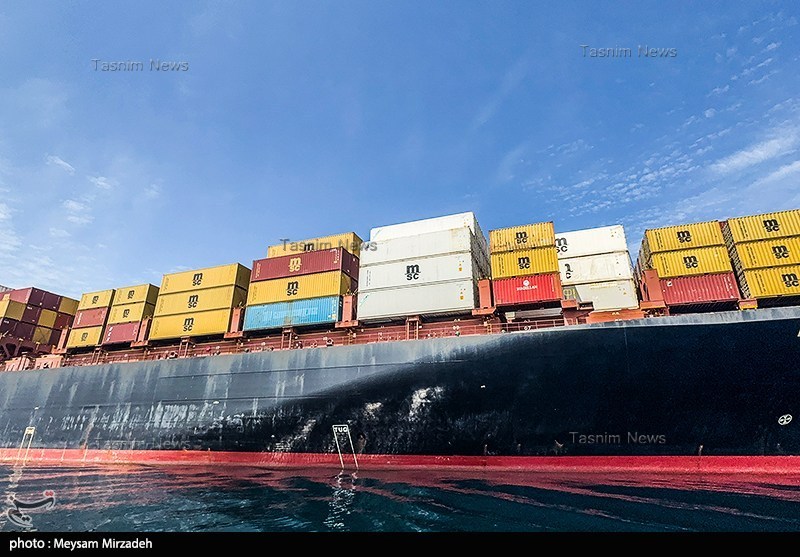
Data released on Thursday showed a slight increase in ship movements despite the ongoing geopolitical standoff. MarineLink recorded ten visible commodity vessel transits on Wednesday, while gCaptain reported a modest rise in overall traffic through the Hormuz bottleneck.
The upward trend, though limited, indicates that operators are closely monitoring the outcome of the Iran‑Oman negotiations as a factor influencing routing decisions.
What this means for operators
Should the provisional corridor and mine‑clearing operation be implemented, commercial vessels can expect clearer guidance on navigation lanes and potentially reduced exposure to unexploded ordnance. A ban on warships would also diminish the risk of incidental encounters with military traffic, thereby lowering security premiums. However, any agreed transit fees or revised regulatory requirements could affect voyage costs, prompting operators to re‑evaluate charter rates and scheduling for Hormuz‑bound voyages.