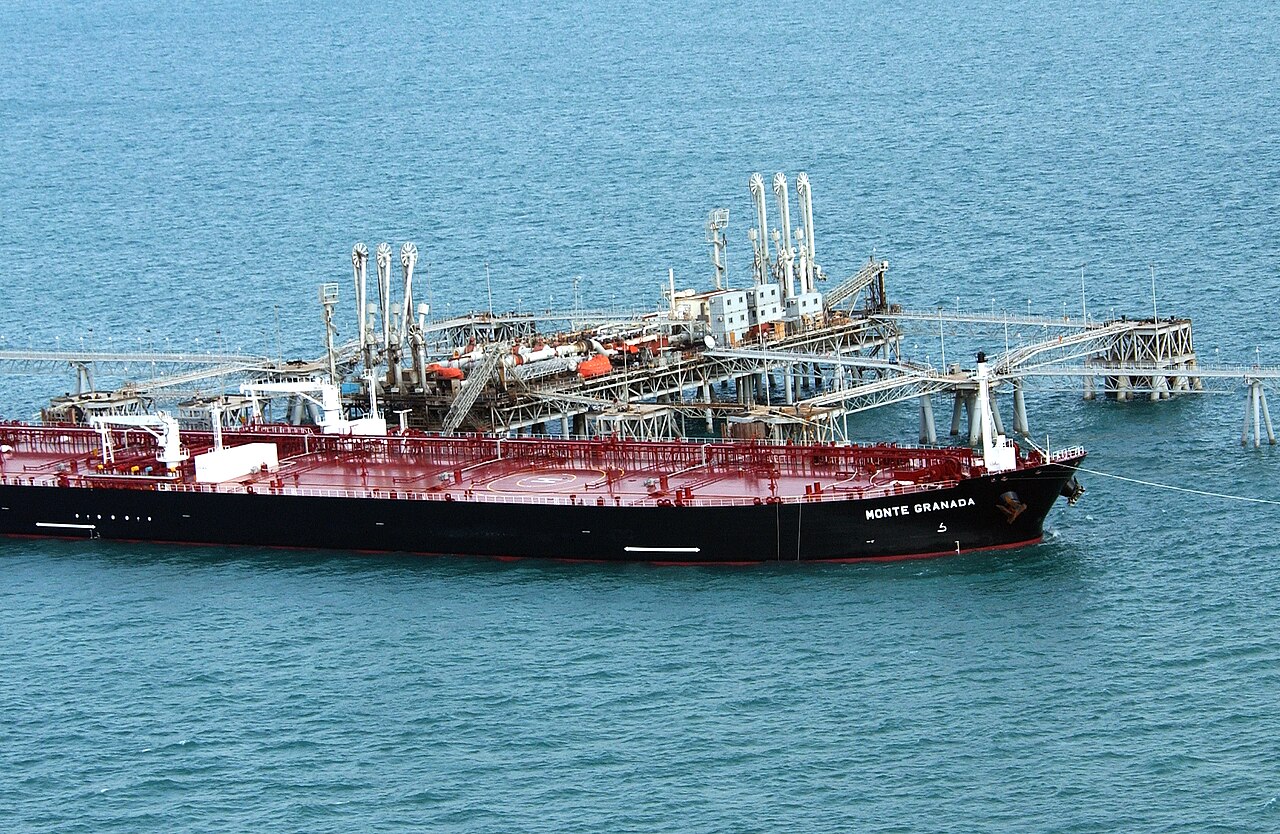
United States forces struck three Iranian oil tankers on Saturday, hours after Iran's Islamic Revolutionary Guard Corps (IRGC) launched ballistic missiles at two US Navy warships in the Gulf, gCaptain reports. US Central Command (CENTCOM) said the strikes destroyed one of the vessels and disabled two others, in what several outlets describe as the sharpest escalation yet in a maritime confrontation that has simmered between Washington and Tehran for months.
CENTCOM's account of the attack
According to Maritime Executive, CENTCOM reported that Iranian forces had attempted to strike a US Navy aircraft carrier with ballistic missiles, prompting what the command described as a severe response. Seatrade Maritime adds that CENTCOM said it disabled two tankers belonging to the National Iranian Tanker Company (NITC) and destroyed a third after the IRGC's missile launch against the two American warships. CENTCOM has not published a full damage assessment of the tankers beyond confirming that one vessel was destroyed and two others were disabled.
A tanker-for-tanker retaliation pattern
TradeWinds reports that the strikes on the three Iranian tankers came as part of what it and other outlets are now calling a "tanker-for-tanker" retaliation pattern between the two sides, with US officials, including defense secretary Pete Hegseth, issuing further warnings after the exchange. TradeWinds separately reports that the Iranian-flagged vessels involved in the exchange have since been identified, though neither the vessel names nor their prior movements have been independently verified in the reporting reviewed for this article.
Tehran's response
Maritime Executive reports that Iran has renewed its threats following the incident and says it turned back a number of ships after the US action against the tanker. gCaptain frames the exchange as part of an ongoing "tit-for-tat" pattern of tanker attacks between Iran and the United States, describing the wider conflict as continuing to "drag on" rather than showing signs of near-term resolution.
Wider fallout across the fleet
Hellenic Shipping News reports that the US and Iran have traded retaliatory attacks on ships as the conflict "flares," a description that reflects how the confrontation has moved beyond isolated incidents into a recurring cycle of strikes and counter-strikes at sea. Ship & Bunker's coverage of the episode, headlined around US forces striking three Iranian oil tankers after Navy ships were targeted, underscores that the story has been picked up across the trade press as a significant maritime security event rather than a one-off skirmish.
A pattern building over months
gCaptain's framing of the episode as part of a "tit-for-tat" exchange rather than an isolated attack points to a confrontation that has been building for some time, with each side's action prompting a further response from the other. TradeWinds' identification of the Iranian-flagged vessels involved suggests that both governments and the trade press are now tracking the individual ships drawn into the dispute, treating each strike as part of a running record rather than a single, contained event. That kind of sustained attention itself signals how seriously the shipping and insurance markets are treating the situation.
Naval assets and merchant tonnage in the same theatre
What distinguishes this episode from many previous Gulf security incidents is the sequence reported by Maritime Executive and Seatrade Maritime: an attempted missile strike on US naval assets, including an attempt on a carrier, followed directly by US strikes on commercial tankers. That sequence blurs the usual separation between naval confrontation and merchant shipping risk, since it shows commercial tankers being struck as part of a response to an attack on warships rather than as a result of an attack aimed at the tankers themselves. For masters and operators, that link between naval and commercial targets is itself a significant part of the risk picture going forward.
What it means for operators in the Gulf
For commercial shipowners and charterers with tonnage transiting the Gulf, the Strait of Hormuz and adjacent waters, the exchange adds to an already elevated risk picture. Vessels flagged to, chartered by, or trading with either side of the confrontation face a materially higher chance of being drawn into the dispute, whether through direct targeting, misidentification, or the knock-on effects of naval activity in congested shipping lanes. War risk underwriters and P&I clubs typically respond to episodes of this kind by reassessing premiums and routing advice for the wider Gulf region, and operators with exposure to Iranian, Gulf or Red Sea-adjacent trades will be watching closely for further CENTCOM statements, Iranian government responses, and any formal guidance from flag states or naval coalitions operating in the area. Until the pattern of strikes and counter-strikes shows signs of abating, masters and operators are likely to continue receiving heightened advisories for the Strait of Hormuz corridor, and insurers may adjust their assessment of the region accordingly. The incident also illustrates how quickly maritime security situations in the Gulf can escalate from missile attacks on naval assets to direct strikes on commercial tankers, a dynamic that keeps the region firmly in focus for risk managers across the tanker sector. With Iran reported by Maritime Executive to have turned back a number of ships in the aftermath, operators should also expect disruption to normal transit patterns in the near term, independent of any further exchange of strikes.