Germany’s development bank KfW IPEX‑Bank has announced financing packages for two new 44,000 dwt bulk carriers that will be equipped with self‑unloading systems and methanol dual‑fuel propulsion. The vessels are slated to serve construction‑material trades across Europe and into international export markets.
Financing details from two angles
A statement released on 28 August 2026 by the bank outlined a €79.3 million loan earmarked for the two ships. Ship.energy reported that the funding will underwrite construction costs and that the vessels will be built to the dual‑fuel specification, allowing operation on methanol as well as conventional bunker fuel.
In parallel, TradeWinds cited a separate financing figure of US$92 million for the same pair of bulkers. While the two reports differ in currency and exact amount, both confirm that KfW IPEX‑Bank is providing the capital needed to bring the ships into service.
Ownership structure and charter arrangement
The ownership will rest with a joint venture between Hartmann Schiffsbeteiligungen GmbH & Co. KG and The CSL Group Inc., as detailed by both sources. Ship.energy added that the vessels will be placed under a long‑term bareboat charter with Mibau Stema Shipping ApS, a wholly owned subsidiary of the Danish‑based Mibau Stema Group GmbH.
This arrangement secures a stable operating platform for the ships while aligning the interests of the shipowner consortium and the charterer, who will deploy the vessels on routes demanding high cargo throughput and flexibility.
Technical profile and market positioning
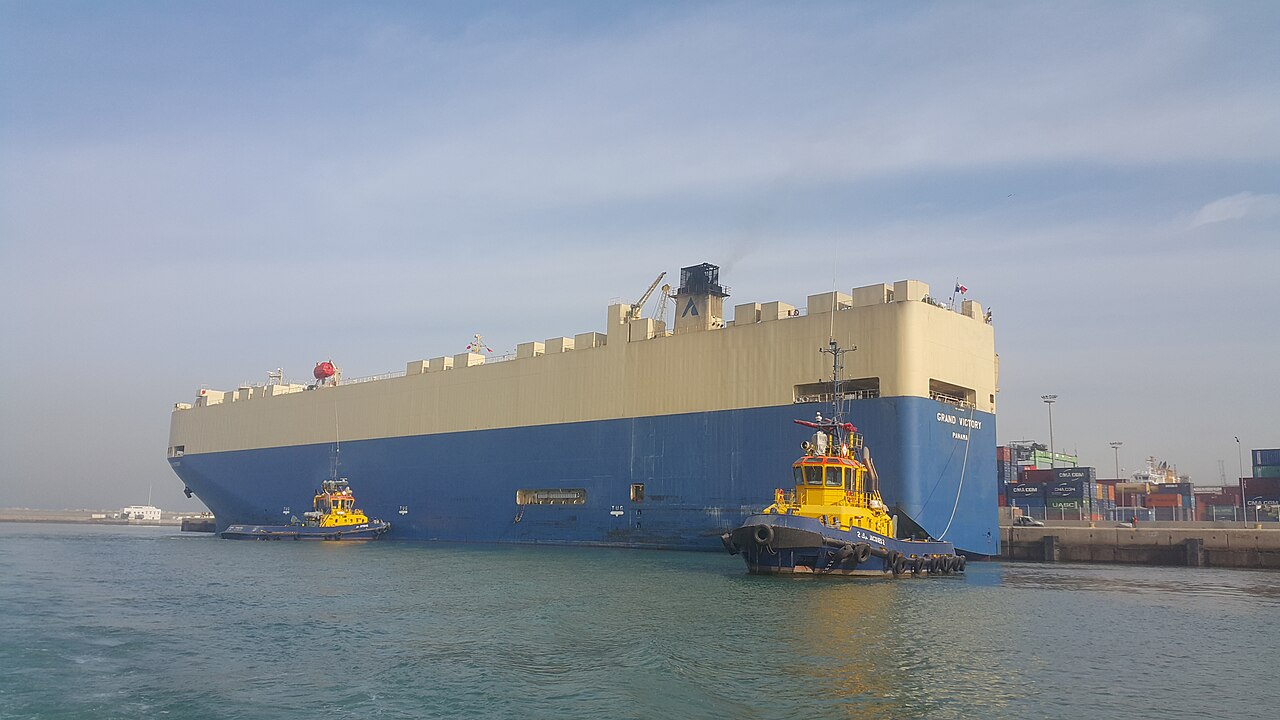
The two bulk carriers will each have a maximum deadweight capacity of 44,000 tonnes. Their self‑unloading capability eliminates dependence on shore‑based handling infrastructure, an advantage for construction‑material supply chains that often operate in ports with limited facilities.
Equipping the ships with methanol dual‑fuel engines reflects an industry shift toward lower‑emission fuels. Methanol combustion produces markedly reduced sulphur oxides and nitrogen oxides compared with traditional heavy fuel oil, helping operators meet tightening European IMO‑2020 and forthcoming EU ETS regulations.
Construction timeline
While neither source disclosed a shipyard name or expected delivery dates, the financing announcements imply that contract finalisation has already occurred and that steel cutting is imminent. The dual‑fuel configuration may extend build time slightly relative to conventional bulkers, but the market appetite for greener vessels is expected to offset any schedule impact.
What this means for operators
Operators eyeing capacity in the European construction‑material segment should note that these new vessels will combine high cargo efficiency with a fuel mix that can lower compliance costs under emerging emission standards. The long‑term charter with Mibau Stema Shipping ensures guaranteed employment, offering a predictable cash flow model for owners. For charterers, the self‑unloading feature reduces port turnaround times and mitigates berth availability constraints, potentially translating into faster project delivery and reduced demurrage exposure.