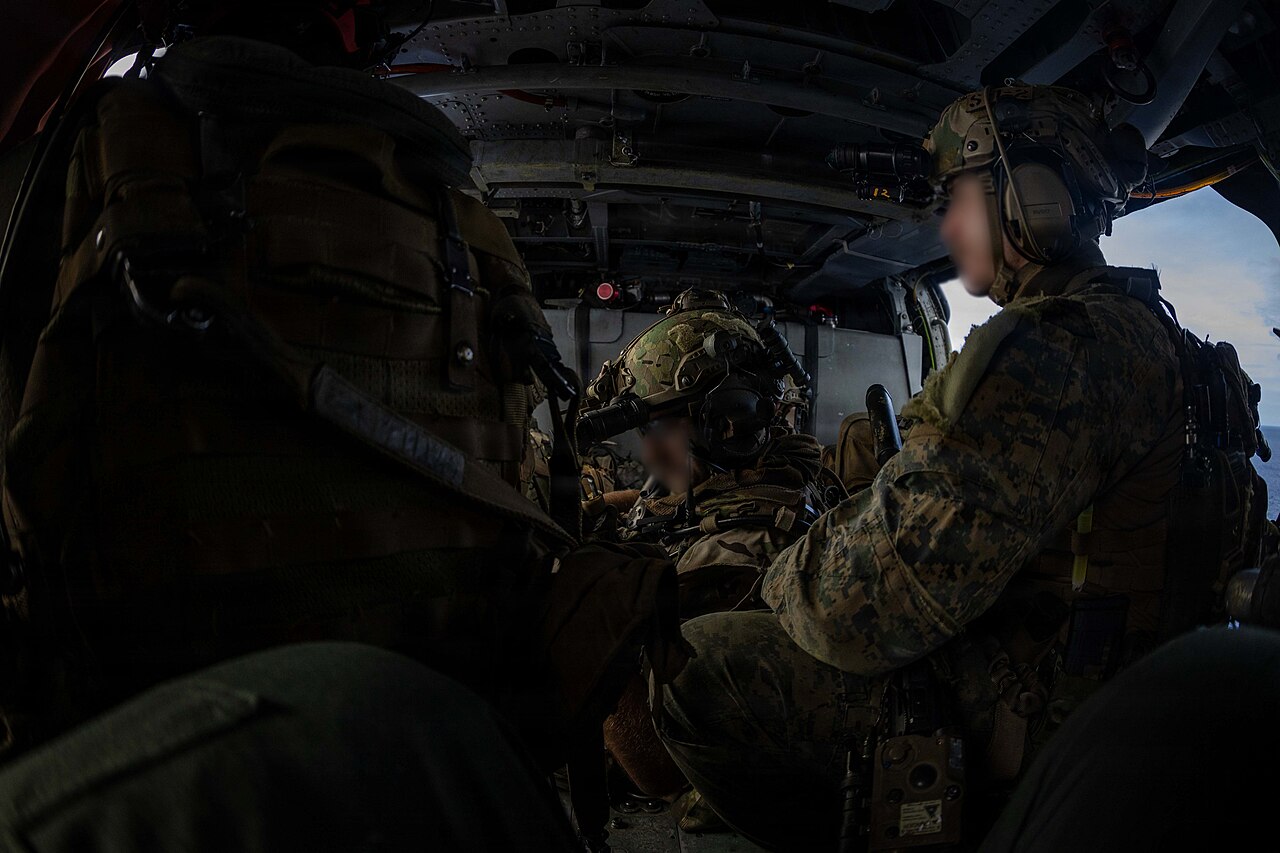
The European Union on Sunday, August 30, conducted the sixth boarding of a tanker suspected of operating under a false flag for Russia's shadow fleet in the Mediterranean Sea. The operation was carried out by the Italian patrol boat ITS Paolo Thaon di Revel, which boarded the tanker MV Sun from helicopters and launches for a flag verification inspection, as reported by EU foreign policy chief Kaja Kallas on X.
Background of EU Naval Operations
Operation EUNAVFOR MED IRINI was originally established in 2020 to enforce a United Nations arms embargo on Libya. However, EU governments have since expanded the mission's authority to include conducting verification boardings of vessels. The mission's mandate was extended earlier this year to address concerns over the shadow fleet serving the Russian oil industry.
The Latest Boarding Operation
According to The Maritime Executive and Hellenic Shipping News, the tanker MV Sun, operating under a false flag and reportedly registered in Cameroon, was boarded by EU naval forces on August 30. The vessel is suspected of being part of Russia’s shadow fleet, which operates in violation of international maritime law. The boarding took place as part of a series of inspections to verify the nationality of merchant vessels suspected of sailing under false flags.
Historical Context and Previous Actions
TradeWinds and gCaptain noted that the boarding of MV Sun was the sixth such action carried out by EU naval forces in recent months. Earlier in August, the same operation had boarded the tanker Toa Payoh and the South Star, both of which were suspected of sailing under false flags. These actions reflect a growing trend of the EU taking proactive measures to disrupt illicit maritime activities linked to Russia.
In July, France, Sweden, Belgium, and Britain also boarded or seized suspected shadow fleet vessels that entered their territorial waters, further illustrating the collaborative efforts of European nations to tackle this issue.
What This Means for Operators
The increasing frequency and scope of EU naval operations signal a more assertive approach to maritime law enforcement and the verification of vessel nationalities. Ship operators must be vigilant regarding flag compliance and adhere to international maritime laws to avoid becoming targets of such inspections. Failure to comply may result in sanctions and legal repercussions, impacting their operations and reputation.
Operators should review their flag registration and ensure compliance with international regulations to avoid falling under suspicion and being subject to similar enforcement actions by EU naval forces.