
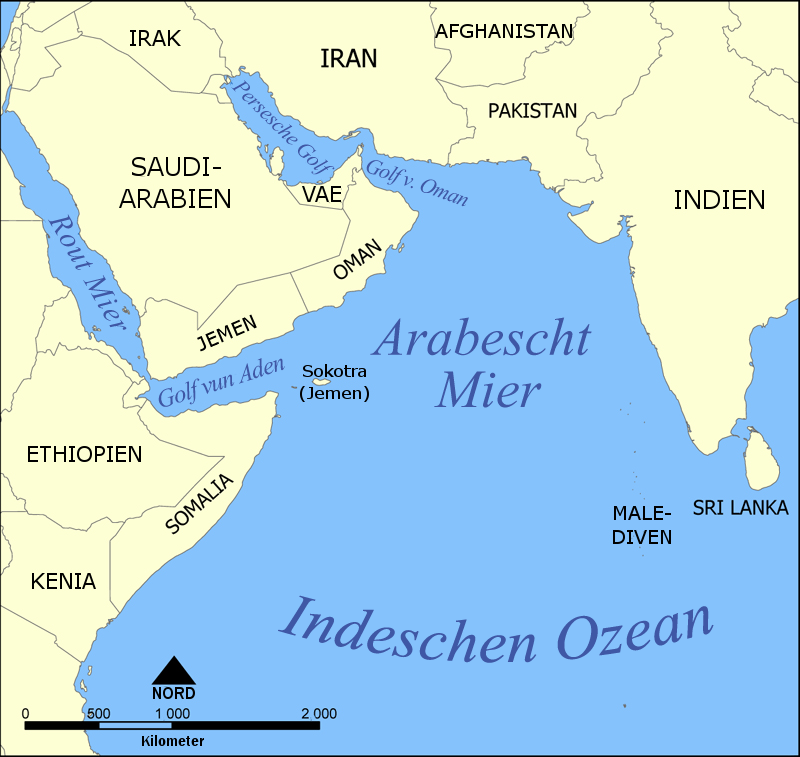
An alarming oil spill off the coast of Oman has caused significant environmental concerns. According to gCaptain, an oil slick covering approximately 390 square kilometers (150 square miles) has been reported following the grounding of a sanctioned vessel, the Caroline Bezengi. The tanker was carrying close to one million barrels of Russian crude and first encountered difficulties on June 8 off Yemen's coast.
The situation escalated after the vessel ran aground near the Hallaniyat Islands on June 30, prompting Oman’s government to seek assistance in containing the spill. The slick extends northeast of these islands and is within a few kilometers of the mainland, potentially posing risks to coastal communities and wildlife reserves. In its royal decree from last year, Sultan Haitham bin Tarik established a nature reserve around the Hallaniyat Islands, which are home to diverse marine life including Arabian Sea humpback whales and Socotra cormorants.
The International Maritime Organisation (IMO) confirmed that oil from the grounded vessel is drifting towards Oman's mainland. A spokesperson stated, "Oil is reported to be reaching the mainland, with some oil spilling offshore to the northeast of Al-Qibliyyah Island." The IMO highlighted that oil has been leaking for several weeks due to seasonal monsoons delaying salvage operations.
The spill requires immediate action; environmental experts recommend using dispersants and booms to mitigate the impact. Professor Tony Gutierrez from Heriot-Watt University explained, "If this oil is kept offshore, the impact will be much less than if it reaches shallower waters or the actual coastline." However, given the extensive area affected, full containment may prove challenging.
Local authorities in Oman are working to prevent the slick from reaching coastal facilities including water desalination plants and tourist areas. Greenpeace estimates that the slick could cover up to 600 square kilometers based on satellite imagery analysis.
Impact on Marine Life
The extensive nature of this spill is concerning for the diverse marine ecosystem in the area. Professor Gutierrez noted, "You could find oil still there years later and that’s what happened with Exxon Valdez." The potential long-term effects on coral reefs, birds, fish, and other wildlife are significant.
Contingency Planning
Oman has prepared for such incidents by setting up an oil spill contingency plan. Salvage ships have been dispatched to the area, but operations remain limited due to ongoing monsoon weather conditions. The government continues to monitor the situation closely and coordinate with international bodies like the IMO.