More than 90 seafarers are now being held by pirates and armed robbers in the Gulf of Aden and surrounding waters, according to the International Maritime Organization (IMO). This surge in piracy, which has led to the hijacking of the Seamull on August 20, has resulted in six vessels being currently held in the region.
Piracy numbers and impact
IMO Secretary-General Arsenio Dominguez issued an urgent call for the release of the captive seafarers on Monday. "More than 90 innocent seafarers are now being held captive," he stated. Their lives are subject to "constant uncertainty and threat," and many seafarers face limited access to adequate food, fresh water, medical support, and other essential services. Their families also endure an "unimaginable ordeal."
IMO response and calls for action
The IMO has demanded the immediate and unconditional release of all those being held captive. Secretary-General Dominguez emphasized that "no seafarer should face violence, intimidation, or exploitation simply for doing their jobs and keeping global trade moving." He also called for urgent action to counter the resurgence of piracy, including stronger security preparedness and sustained international naval cooperation to protect merchant shipping and crews.
The organization is supporting regional counter-piracy efforts through the Djibouti Code of Conduct and its Jeddah Amendment. Additionally, Dominguez plans to raise the situation across the United Nations system and with governments to garner more support.
Security preparedness and risk management
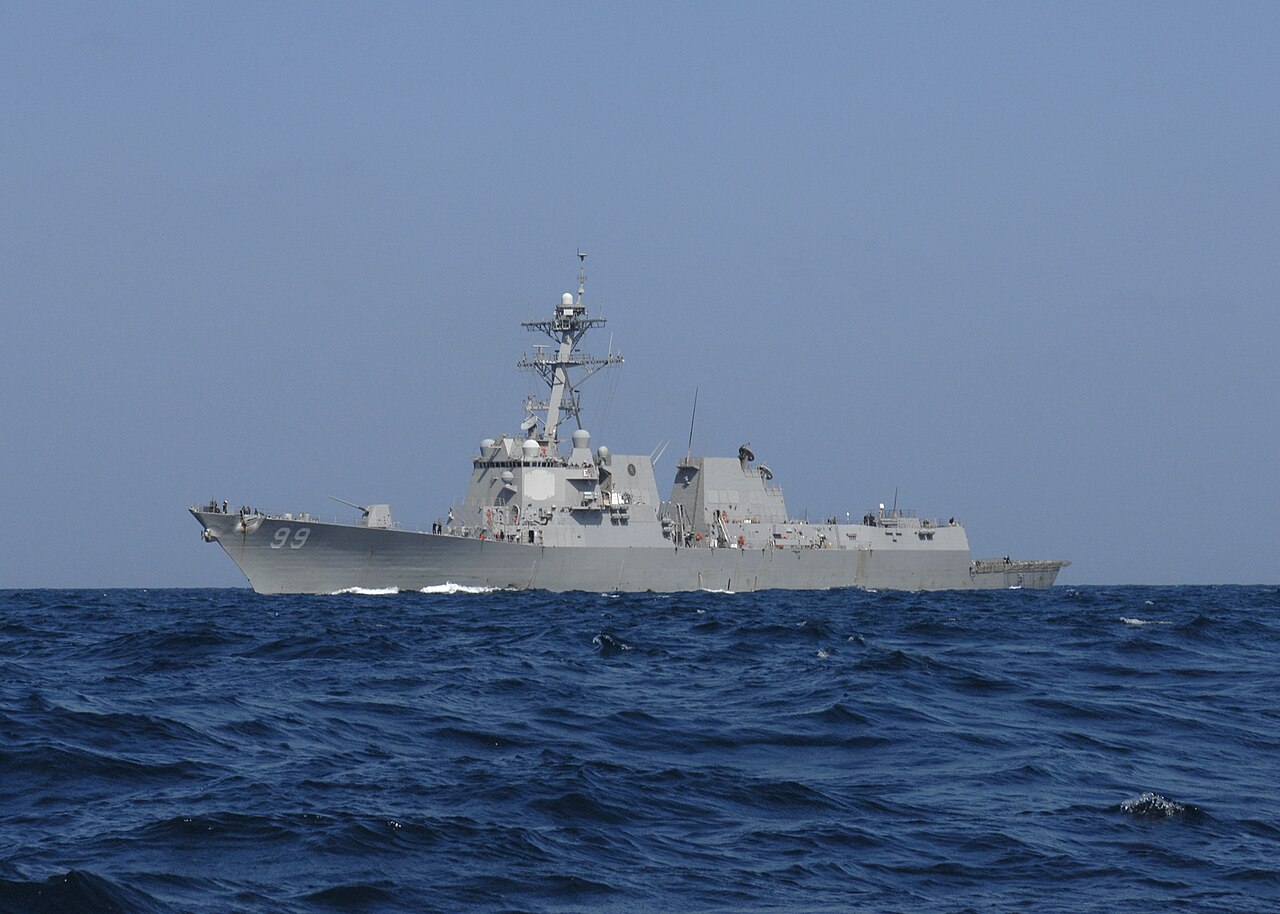
The IMO warned that the deteriorating security situation requires renewed international attention, particularly as maritime security resources have been stretched by conflicts and attacks affecting shipping elsewhere. Flag and coastal states have been urged to ensure vessels and crews operating in the region are adequately prepared for security risks, including through the implementation of the industry's Best Management Practices for Maritime Security and relevant IMO guidance.
What this means for operators
The resurgence of piracy in the Gulf of Aden poses significant risks for ship operators, necessitating enhanced security measures and preparedness. Vessels operating in the region must comply with the IMO’s Best Management Practices for Maritime Security to mitigate risks. Moreover, operators should closely monitor the situation and prepare for potential disruptions, including implementing contingency plans and maintaining communication with relevant authorities and security agencies. The sustained international naval cooperation highlighted by the IMO is crucial for protecting merchant shipping and crews, underscoring the importance of coordinated efforts in safeguarding global trade.