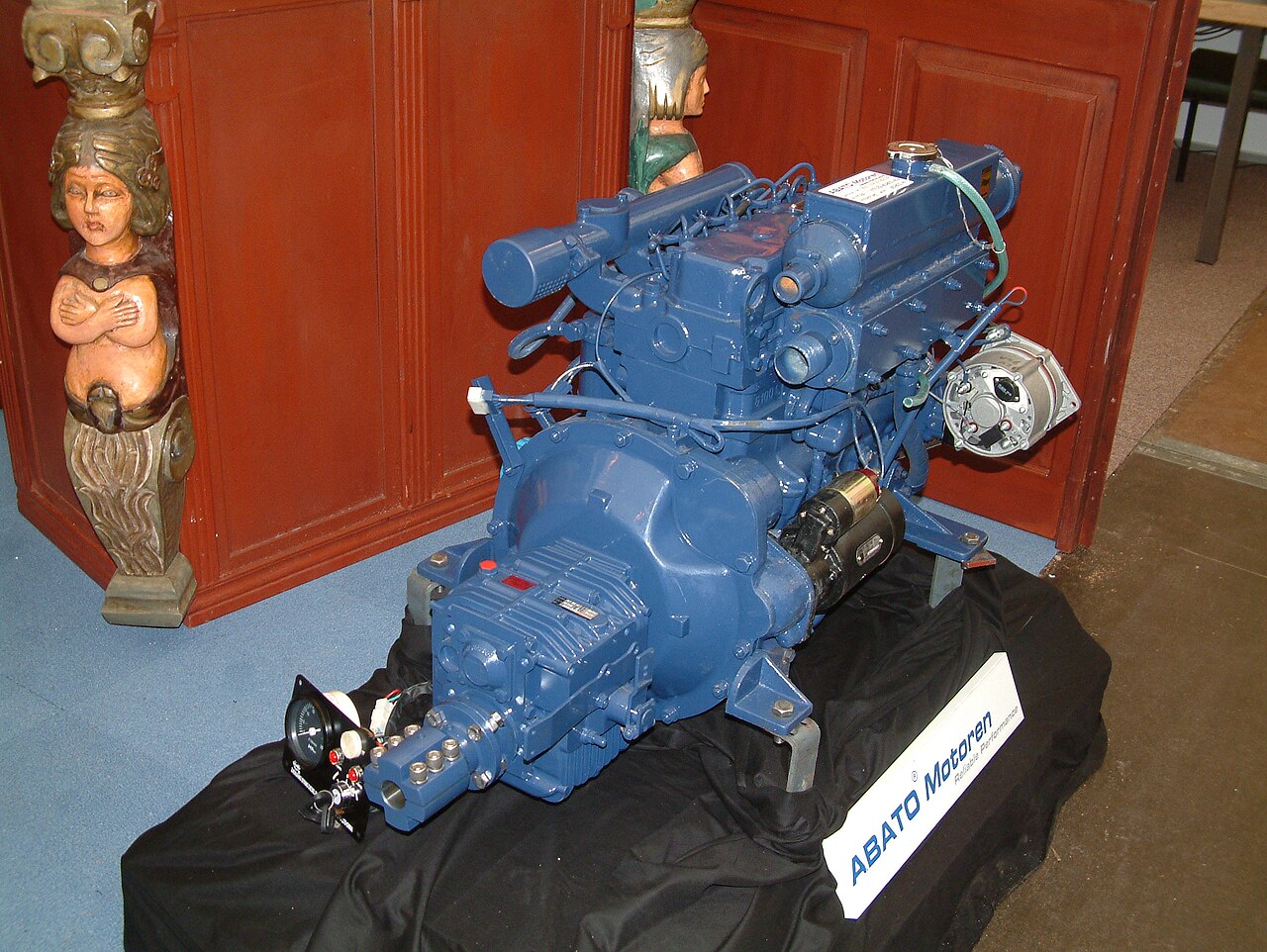
Everllence has started full-scale testing of its 12-cylinder 175DF-M dual-fuel methanol engine at its Test and Research Center in Frederikshavn, Denmark, according to Ship.Energy. The company says the campaign has validated operation of the engine in both diesel and methanol modes.
From single-cylinder to full-scale
Hellenic Shipping News reports that the full-scale test campaign follows earlier optimisation work on the 175DF-M concept carried out on a single-cylinder test stand in 2025. Marine Link confirms that this is the first full-scale test campaign for the engine, marking the transition from component-level development to testing a complete 12-cylinder unit under representative operating conditions.
What the tests confirmed
According to Ship.Energy, the testing at Frederikshavn has validated the engine's ability to operate in both diesel and methanol modes, a core requirement for a dual-fuel design intended to give operators flexibility between conventional fuel and methanol depending on availability and route. Maritime Executive's coverage, headlined around the successful start of the first full-scale tests, reinforces that the campaign is described by the company as having gone successfully.
Commercial orders already in hand
Ship.Energy reports that Everllence has already secured its first commercial orders for the high-speed engine, even as full-scale testing gets underway. The company says 12V and 16V175DF-M variable-speed gensets are scheduled for delivery in mid-2027 to two different superyacht customers, meaning the engine has moved into commercial production planning in parallel with its final validation testing.
The superyacht market as an early adopter
The two confirmed customers for the 175DF-M gensets are both in the superyacht segment, according to Ship.Energy, a market that has shown early interest in alternative-fuel propulsion and power generation as owners and builders look for ways to reduce the environmental footprint of large private vessels. Genset applications, rather than main propulsion, are often an easier entry point for a new dual-fuel engine platform, since they allow operators to gain experience with the fuel and technology in a more contained role aboard the vessel.
Beyond superyachts
Ship.Energy quotes Florian Keiler, Sales & Business Development Manager at Everllence, saying: "We are encouraged by the results achieved by the 175DF-M and look forward to supporting superyacht, tug, offshore, governmental and passenger-vessel applications." The comment signals that Everllence sees the engine's addressable market extending well beyond the superyacht sector into tugs, offshore support vessels, government fleets and passenger ships, all segments that use engines in the same general size and power class as the 175DF-M.
Testing at a dedicated facility
Running the campaign at Everllence's own Test and Research Center in Frederikshavn, rather than at a third-party or customer site, gives the company direct control over the test programme and its instrumentation as it validates the 175DF-M across both fuel modes. Cruise Industry News' coverage of the campaign, alongside the parallel reporting from Hellenic Shipping News and Maritime Executive, indicates that the milestone was significant enough to draw attention from outlets covering both the wider marine engine market and the cruise and passenger-vessel sector specifically, reflecting the engine's stated relevance to passenger-vessel applications.
Gensets versus main propulsion
The confirmed orders described by Ship.Energy are for variable-speed gensets, which generate electrical power on board rather than driving the vessel's propeller directly. Starting commercial deployment with genset applications, as Everllence has done with its two superyacht customers, allows the 175DF-M to enter service in a role where dual-fuel operation can be validated under real operating conditions without the engine needing to carry the additional demands of direct main propulsion from the outset.
What it means for methanol engine adoption
The move from single-cylinder testing to a full-scale, multi-cylinder campaign, combined with confirmed commercial orders for delivery in 2027, indicates that Everllence is treating the 175DF-M as close to market-ready rather than as an experimental prototype. For shipowners and vessel operators evaluating methanol as a fuel option in this engine size class, a validated full-scale test campaign backed by real commercial orders offers a more concrete reference point than earlier single-cylinder trials alone. As more engine manufacturers bring dual-fuel methanol designs through full-scale testing and into commercial delivery, operators across the tug, offshore, passenger and superyacht segments gain additional proven options for methanol-capable power generation, adding to the range of alternative-fuel engines becoming available as the wider industry continues to diversify away from single-fuel diesel propulsion and power generation.